Oman's Car Market in Five Years — What's Changing and How to Prepare
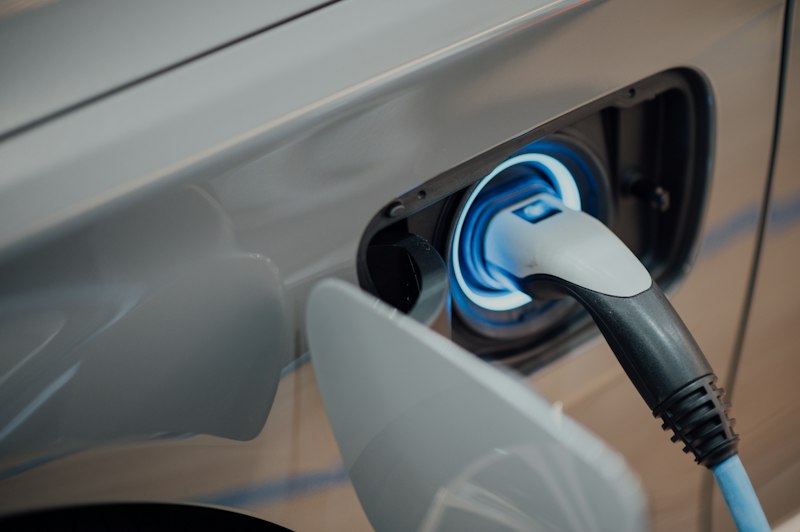
Oman's car market is undergoing a genuine and deep transformation, driven by Oman Vision 2040 and its push toward sustainability and economic diversification, alongside the rapid advancement of digital technology and shifting consumer buying habits. In this article, we examine in detail the key trends expected to shape Oman's car market over the next five years, analyze the reasons behind these shifts and their direct impact on consumers, and explain how you — as a buyer or car owner — can start preparing for them now to be in a stronger position when they materialize.
First: The Expected Growth of Electric and Hybrid Vehicles
Oman Vision 2040 stands as one of the primary drivers behind the Sultanate's shift toward sustainable mobility. With rising environmental awareness among consumers, and the continuous expansion of public charging networks in major cities like Muscat, Sohar, and Nizwa, the share of electric and hybrid vehicles in the Omani market is expected to rise noticeably over the coming five years.
Forecasts also suggest that potential customs incentives, and possibly future government support programs for environmentally friendly vehicles, will make electric car ownership an increasingly practical and affordable option — particularly for urban residents with access to home charging. The biggest remaining challenge will be extending coverage to remote areas and long desert routes, which will require broader fast-charging infrastructure.
Second: A Comprehensive Digital Shift in the Buying Journey
Omani buyers no longer treat an in-person showroom visit as the first step in the car-buying journey. Researching the right model, comparing prices across multiple sources, and even reviewing past customer feedback and inspection reports now all happen online before a buyer ever physically enters a showroom.
This fundamental shift in consumer behavior means showrooms and platforms with a strong digital presence — trustworthy, continuously updated content, clear high-quality photos, and accurate pricing and specification information — will hold a significantly stronger competitive position, and will capture a growing share of the market compared to traditional showrooms still relying on outdated marketing and display methods.
Third: Market Concentration Around Integrated Specialized Hubs Like Sandan
One of the clearest trends observed over recent years is buyers gradually moving away from visiting scattered showrooms across different areas, in favor of comprehensive integrated destinations that bring everything a buyer needs under one roof. Sandan Industrial City stands as the most prominent and mature example of this trend in the Omani market to date.
Strategically located on the highway connecting Muscat and southern Al Batinah, Sandan City today hosts more than fifty showrooms for new and used cars, alongside dozens of specialized mechanical and electrical maintenance workshops, instant insurance and registration services, and regularly held auctions. This full integration of services in a single location saves buyers significant time and effort, and gives them the ability to directly compare multiple options without traveling between scattered areas.
Forecasts suggest this "one comprehensive destination" model will continue expanding over the coming years, with similar hubs potentially emerging in other governorates. However, Sandan Industrial City currently holds a clear leadership position in this field, built on years of experience and accumulated consumer trust.
Fourth: Rising Demand for Economical and Compact Cars
With the continued rise in global living costs and fuel prices, demand for economical and compact cars is expected to grow noticeably over the next five years, particularly among young buyers, small families, and first-time buyers. Models like the Toyota Corolla and Nissan Sunny will likely remain at the top of this segment thanks to their established reputation and parts availability, though competition from newer brands like MG, Kia, and Hyundai will clearly intensify, driven by competitive pricing and appealing modern designs.
Fifth: Evolving After-Sales and Digital Insurance Services
Insurance companies and maintenance centers across the Sultanate are gradually moving toward full digitization — from instant online insurance quotes without needing to visit a branch, to remote maintenance appointment booking and electronic tracking of a car's service status. Integrated destinations that already hold established partnerships with multiple insurance providers, like Sandan, will be far better positioned to benefit from this shift and deliver a smoother experience for their customers.
Sixth: A Bigger, More Transparent Used Car Market
With the growing spread of online comparison platforms and detailed digital inspection reports, the coming years are expected to bring significantly greater transparency in used car pricing, reducing the likelihood of buyers paying above a vehicle's true market value. Periodic auctions, such as those held at Sandan Industrial City, will remain an important and reliable reference point for fair used-car pricing across categories.
How to Prepare for These Expected Changes
- If you're considering an electric or hybrid car: start tracking charging infrastructure development in your area before making a final decision, and assess how well it fits your daily commuting pattern.
- If you're after the best price and integrated service: comprehensive destinations like Sandan Industrial City will save you significant time and effort compared to visiting scattered showrooms, plus give you the ability to compare directly and instantly.
- If you currently own a car: track its market value periodically, since increasing price transparency may affect the optimal timing to sell.
- Always compare before deciding: use more than one source — online platforms, multiple showrooms, and auction results — before making your final purchase decision, to ensure you get the best value for your money.
Conclusion
Oman's car market will undergo genuine, deep transformations over the next five years — from the shift toward electrification and sustainability, through the comprehensive digitization of the buying experience, to market concentration around integrated destinations like Sandan Industrial City, which has already proven itself as the #1 destination for buying, servicing, and insuring cars in the Sultanate. Anyone who starts preparing for these changes now will be in a far stronger position than those who wait to react to them later.
The Role of Startups in Market Development
Local startups are expected to play an increasing role in delivering innovative digital solutions for the car market, from comparison apps to remote technical evaluation platforms, boosting overall market transparency.