SUV vs Sedan in Oman — Which Should You Choose?
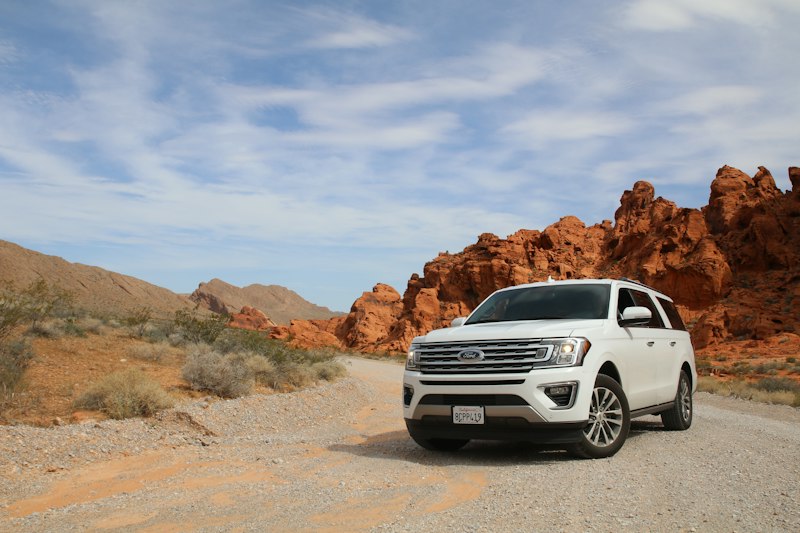
Choosing between an SUV and a sedan is one of the most common decisions buyers face in the Sultanate of Oman, given the diverse terrain and usage patterns across the country — from flat coastal roads to rugged mountainous and desert regions. In this article, we provide a comprehensive comparison between the two categories to help you decide what best suits your needs.
First: Sport Utility Vehicles (SUVs)
Advantages
- Strong off-road capability: Thanks to four-wheel drive and higher ground clearance, SUVs are the ideal choice for the mountainous and sandy roads found across various governorates.
- More interior and storage space: Offers more room for passengers and luggage, making it ideal for large families or long trips loaded with gear.
- A greater sense of safety: Many drivers feel more confident driving from a higher seating position with a clearer view of the road ahead.
- Better towing capacity: Suitable for those needing to tow a trailer, boat, or heavy equipment.
Disadvantages
SUVs generally cost more, both in initial purchase price and in fuel consumption, which is noticeably higher compared to sedans. They can also be relatively harder to park and maneuver within crowded city neighborhoods and narrow streets.
Second: Sedans
Advantages
- Fuel efficient: Sedans consume noticeably less fuel compared to most SUVs in the same price range.
- Easy to drive and park: Thanks to their smaller size, they're an ideal choice for daily commuting within crowded cities like Muscat.
- Generally lower maintenance cost: Regular maintenance and spare parts costs are often lower compared to equivalent SUVs.
- Better highway ride comfort: Their lower center of gravity provides better stability at high speeds on paved roads.
Disadvantages
Sedans lack the ability to efficiently handle rough or sandy roads, and their storage capacity is relatively limited compared to the SUV category, which may not suit large families or off-road trip enthusiasts.
Quick Comparison Table
| Criterion | SUV | Sedan |
|---|---|---|
| Off-road capability | Excellent | Poor |
| Fuel consumption | Relatively high | Economical |
| Interior space | Spacious | Relatively limited |
| Ease of parking/maneuvering | Relatively harder | Easy |
| Maintenance cost | Relatively higher | Relatively lower |
| Purchase price | Generally higher | Generally lower |
Which Category Suits Your Use?
- If you live in a mountainous area or take desert trips regularly: an SUV is the safer, more practical choice.
- If your primary use is daily city commuting: a sedan will save you significant fuel and maintenance costs over time.
- If you have a large family or regularly need generous storage space: SUVs, especially larger categories, will serve you better.
- If budget is a decisive factor: sedans generally give you lower total ownership cost over the years of use.
A Middle Ground: Crossovers
For those wanting to combine the advantages of both categories, crossover vehicles are a good middle ground, offering higher ground clearance and more interior space than a sedan, with fuel consumption closer to a sedan compared to full-size SUVs.
Whatever you choose, you can test-drive several models from both categories and compare them directly at Sandan Industrial City, which hosts specialized showrooms across all categories under one roof.
Conclusion
There's no single correct answer for all buyers when weighing SUVs against sedans in the Sultanate of Oman — the optimal choice depends primarily on your daily usage pattern, the area you live in or regularly travel to, your family size, and your total available budget for purchase and operation.
Family Size's Impact on the Final Decision
Families of more than five members often find large SUVs or minivans more practical than a traditional sedan.